

Your Perspective is only half of the Picture: Why Managerial Accounting is Essential to better Operational Decisions.
Explore how managerial accounting practices enable better decision-making for business leaders and contribute to improve performance.

How do we improve? Make better decisions, its’ that easy. – Or is it? In this article we explore why managerial accounting is essential to making better operational decisions at your business both day-to-day, and over any extended period of time.
Explore Managerial Accounting | Operations Management
Everyone can likely remember a time where the perspective of someone in a scenario was flawed, where decisions could have been better and that errors were made as a result. It’s true that regardless of how practiced we are, often only half the picture is clear. That is why using managerial accounting to cut through the ‘Noise’ can help enable better decisions by management.
Decision-making is not the end of the process.
It extends through to achieving results and is a continuous process.
(College of Business and Economics, Mekelle University; Fitsum Kidane, April 2012)
Introduction:
Have you ever found yourself overwhelmed by different perspectives and opinions when making decisions in management? It’s not uncommon for managers to face a barrage of information daily and this creates challenging conditions to identifying the upmost critical factors in day-to-day decision-making. This is where managerial accounting can assist. This brief article explores how managerial accounting can provide enough clarity to cut through the noise and clamor of issues that business leaders deal with to enable informed and effective decisions.

Understanding Managerial Accounting:
Managerial accounting, also known as management accounting, focuses on providing internal financial information to aid decision-making within an organization. Unlike financial accounting, which primarily serves external stakeholders, managerial accounting targets the needs of managers and executives. It allows business leaders to understand the financial implications of their decisions, allocate resources efficiently, and to achieve organizational goals.
“Firms acquire capacity based on long-term strategic plans that forecast future needs. The firm may acquire some capacity that is not fully utilized initially in order to have the capacity to meet future demand growth.”
(The University of Texas at Dallas; Rajiv D. Banker Iny HwangBirendra K. Mishra, 2002)
Cutting Through the “Noise”
In today’s fast-paced business environment, managers face an abundance of information from various sources, which can create confusion and hinder effective decision-making. This “noise” often stems from conflicting perspectives, incomplete data, and the inability to discern relevant information from the irrelevant.
Managerial accounting acts as a beacon in this sea of information. By analyzing and presenting data in a way that is relevant and meaningful to managers, it helps cut through the noise. This ensures that decision-makers can focus on the information that truly matters, leading to more accurate and informed decision-making processes.
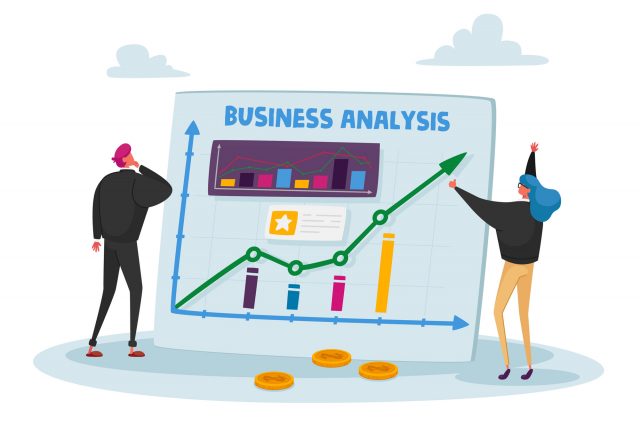
Key Components of Managerial Consulting
Managerial accounting employs several tools and techniques to support decision-making. Let’s explore a few of the most used ones:
1. Cost Analysis:
Managerial accountants analyze the costs associated with various activities, products, or services within an organization. This information helps managers to understand the cost structure and profitability of different aspects of their business, allowing them to make informed decisions.
2. Budgeting and Forecasting:
By developing budgets and forecasts, managerial accounting enables managers to plan and allocate resources effectively. These tools provide a roadmap for decision-making, highlighting potential obstacles and assisting in adjusting to achieve desired outcomes.
3. Performance Evaluation:
Managerial accounting provides performance reports, such as variance analysis, that compare actual results with budgeted or expected outcomes. This information allows managers to identify areas of improvement, make necessary adjustments, and reward or incentivize employees based on their performance.
Individuals’ personal contexts and attitudes can impair decision-making, but business partners can address this problem by championing evidence-based decision-making.
What are the benefits?
Using managerial accounting in your organization can yield numerous benefits.
Enhanced Decision-Making:
Managerial accounting equips managers with the necessary financial information to make informed decisions. By cutting through the noise, it helps managers focus on the critical factors, resulting in better decision-making processes.
Resource Allocation:
With a clear understanding of costs and profitability, managerial accounting helps managers allocate resources optimally. This ensures that resources are utilized efficiently, and wasteful practices are minimized.
Performance Monitoring:
By providing performance evaluation reports, managerial accounting enables managers to track progress and identify areas of improvement. This promotes accountability and helps drive organizational success.
“Accountants contribute to the strategic planning and enterprise governance framework which articulates the business’s competitive position and objectives.”
(the CIMA Strategic Scorecard)
Conclusion:
While human perspectives form only half the picture in business operations decisions, managerial accounting provides the missing detail required for truth and transparency.
By cutting through the noise and offering meaningful financial information linked to operational performance, managerial accounting empowers business leaders to make informed decisions that impact return on investment, performance and operational efficacy. Employing tools and techniques such as cost analysis, budgeting, and performance evaluation, organizations will benefit from enhanced decision-making, efficient resource allocation, and improved performance.
To equip companies with the tools needed for effective and accurate analysis embracing managerial accounting is a reliable path, directing business leaders through uncertainty and into positive results.
Let us know.


